Betty's Blueprint: Land Care Lessons for Stewards
Lucía Torres ·
Listen to this article~4 min
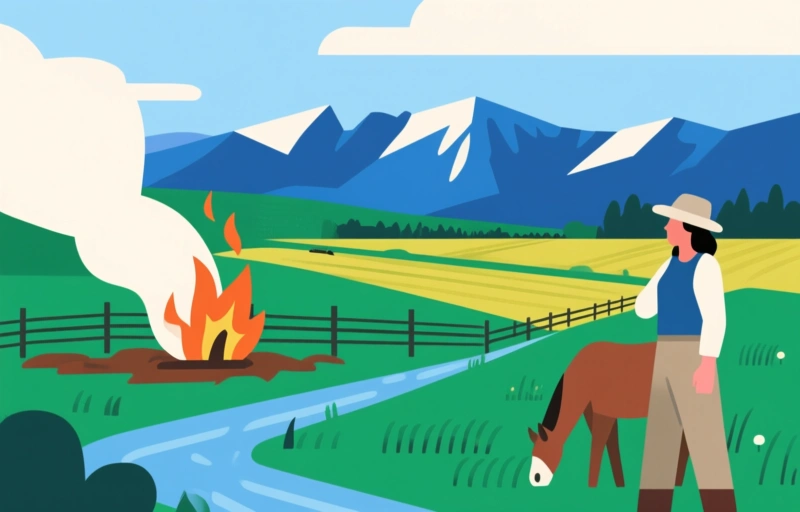
Betty Falxa transformed nearly 3,000 acres in Wyoming's Bighorn Mountains using controlled burns, strategic fencing, water development, and timed grazing. Her blueprint for land stewardship is practical and transferable for any landowner.
When Betty Falxa first laid eyes on her nearly 3,000 acres in Wyoming's Bighorn Mountains, she didn't see a property to flip or a portfolio to pad. She saw a living system. With a master's degree in biology and decades as a naturalist, she walked the land like someone who understood its secrets. Her goal wasn't just to own it. It was to leave it measurably better than she found it.
You can feel that difference in the way she talks about the work. It's not about quick wins or fancy tools. It's about patience, observation, and a deep respect for how the land wants to be treated. And here's the thing: her approach isn't some unreachable ideal. It's a blueprint you can use, no matter how many acres you're working with.
### The Science of Stewardship
Betty's background in biology gave her a head start, but you don't need a degree to think like a steward. She used controlled burns to mimic natural fire cycles, which cleared out invasive plants and gave native grasses room to thrive. Then she added strategic fencing, not to box things in, but to guide grazing in a way that lets the land rest and recover.
Water development was next. She set up ponds and troughs so animals didn't have to travel miles for a drink. That might sound simple, but it changed everything. Healthier water sources meant healthier soil, and healthier soil meant more resilient pastures.
### A Timed Grazing Plan That Works
One of Betty's smartest moves was her grazing schedule. She didn't just let cattle wander wherever. She rotated them, giving each section of land time to bounce back before the next round. This isn't rocket science, but it takes discipline. And the payoff is huge: deeper roots, better water retention, and more diverse plant life.
- Rotate livestock every few weeks to prevent overgrazing
- Let pastures rest at least 30 days between grazing cycles
- Use temporary fencing to create smaller, manageable paddocks
- Monitor soil moisture and adjust timing based on rainfall
This kind of planning doesn't just help the land. It builds a legacy. Betty's work shows that you can run a working ranch and still be a good ancestor to the soil.
### Why This Matters for You
Whether you're a seasoned rancher or someone just starting to think about land care, Betty's story offers something real. It's not about copying every move she made. It's about adopting her mindset: look at the land as a partner, not a resource to be used up.
> "The land doesn't belong to us. We belong to it. And the best thing we can do is listen." — Betty Falxa
Start small. Maybe it's a single pasture or a stretch of creek. Try controlled grazing or a simple water system. Watch how the land responds. You'll start to see patterns you missed before. And that's where the real transformation happens.
### Practical Steps to Get Started
If Betty's approach feels like a lot, don't worry. You can break it down into manageable pieces. Here's a starting point:
- Map your land and identify areas that need the most help
- Talk to a local extension agent about fire or grazing plans
- Invest in portable fencing to test rotational grazing
- Set up a simple water system with tanks and troughs
- Keep a journal of what works and what doesn't
Every piece of land is different, but the principles hold. Observe. Adapt. Repeat. That's the core of stewardship.
### The Bottom Line
Betty Falxa didn't just buy land. She built a legacy. And her blueprint is out there, ready for you to borrow from. Whether you're managing 10 acres or 10,000, the same ideas apply: think long-term, work with nature, and never stop learning.
So take a walk on your land. Look at it with fresh eyes. Ask yourself what it needs. Then start making small changes. That's how real stewardship happens. One step at a time.