Betty's Land Care Blueprint: Stewardship Lessons
Lucía Torres ·
Listen to this article~4 min
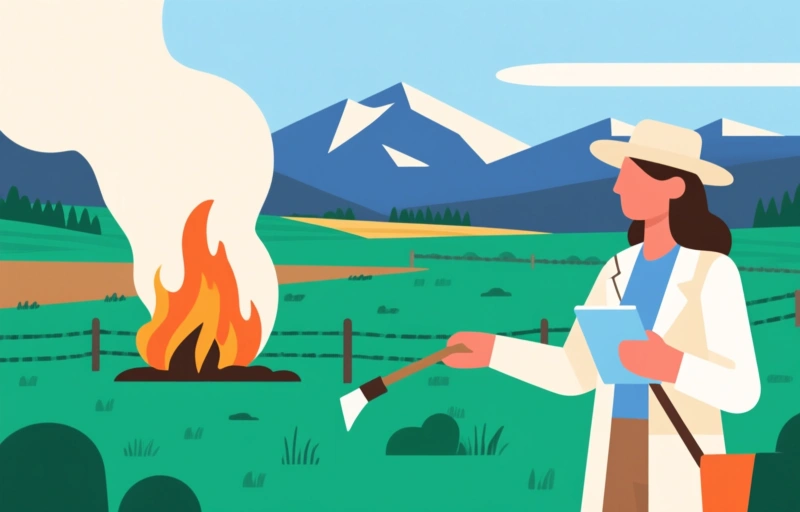
Discover how biologist Betty Falxa transformed 3,000 acres in Wyoming's Bighorn Mountains through controlled burns, strategic fencing, and timed grazing. Learn practical land stewardship lessons that add value and protect ecosystems.
When Betty Falxa first walked her nearly 3,000 acres in Wyoming's Bighorn Mountains, she wasn't thinking like a buyer. She was thinking like a steward. With a master's degree in biology and decades as a naturalist, she set out to do something rare: leave the land measurably better than she found it. Through controlled burns, strategic fencing, water development, and a carefully timed grazing plan, she built a working blueprint that transformed both habitat and heritage. Her story isn't just inspiring — it's transferable. Here's how Betty's methods can inform your own approach to land stewardship.
### The Mindset Shift: From Owner to Steward
Betty didn't see her property as a possession. She saw it as a living system. That shift in perspective changed everything. Instead of asking "What can I get from this land?" she asked "What does this land need to thrive?"
This is the core lesson for any land professional. Whether you're managing a ranch or advising clients, start with observation. Walk the land. Notice where water flows, where soil is thin, where wildlife gathers. That curiosity leads to smarter decisions.

### Key Practices That Made the Difference
Betty's approach was practical and hands-on. Here are the main tools she used:
- **Controlled burns**: She used fire to clear invasive brush and encourage native grasses to regrow. This improved forage for wildlife and livestock alike.
- **Strategic fencing**: Instead of fencing everything, she placed fences to guide grazing patterns and protect sensitive areas like stream banks.
- **Water development**: She built small ponds and troughs to spread water across the property, reducing erosion and providing reliable hydration for animals.
- **Timed grazing**: She moved livestock frequently, letting pastures rest and recover. This mimicked natural herd movements and kept the soil healthy.
These aren't complicated techniques. They just require patience and a willingness to learn from the land itself.
### Why This Matters for Land Professionals
If you work in land sales or management, you've probably seen properties that were run down or mismanaged. Betty's story proves that thoughtful stewardship can reverse that damage. It also adds real value. A well-cared-for property commands higher prices and attracts buyers who appreciate sustainability.
> "The best investment you can make in land is time spent understanding it." — Betty Falxa
That quote sums it up. When you prioritize the health of the ecosystem, everything else follows.
### Practical Steps You Can Take Today
You don't need 3,000 acres to start. Here's how to apply Betty's lessons on any scale:
1. **Start a land journal.** Note what you see each season — plants, animals, weather patterns. Over time, you'll spot trends.
2. **Test your soil.** Simple tests can tell you what nutrients are lacking and what amendments might help.
3. **Plan water access.** Even a small rain garden or a few barrels can make a difference in dry periods.
4. **Rotate grazing or mowing.** Give areas time to rest and regenerate. This prevents overuse and promotes diversity.
### Final Thoughts
Betty Falxa's blueprint isn't just for biologists or ranchers. It's for anyone who cares about the land they live on or work with. By thinking like a steward, you can leave a legacy that's both profitable and sustainable. And that's a lesson worth sharing.