Black-Tailed Deer: Northern California's Wild Icon
Lucía Torres ·
Listen to this article~5 min
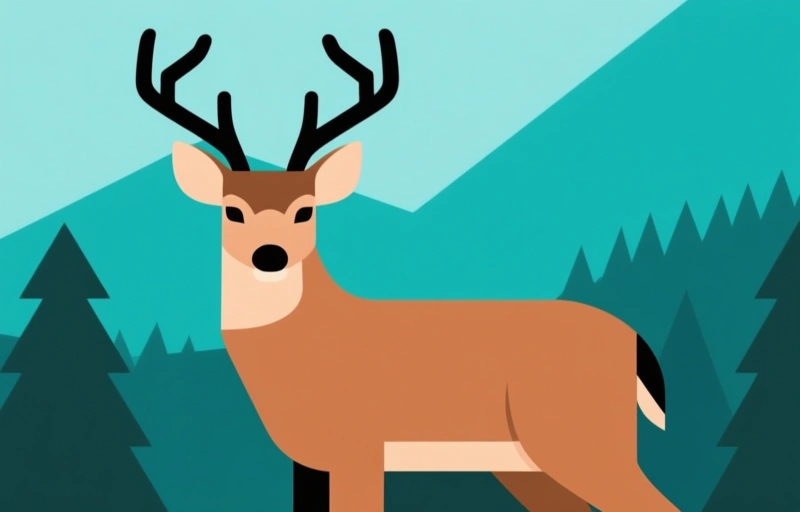
Discover the unique charm of Northern California's black-tailed deer. Learn about their habitat, behavior, and why they're a vital part of the region's wild heritage.
Northern California's black-tailed deer aren't just animals you spot along the highway or in the woods. They're a living part of what makes this region feel wild and untamed. From the foggy redwood forests near the coast to the oak-dotted hills and the rugged inland mountains, these deer have made themselves at home in some of the most varied terrain in the state. Let's take a closer look at what makes them unique, where they roam, how they navigate the landscape, and why they matter to the land and the people who love it.
### What Sets Black-Tailed Deer Apart
Black-tailed deer are a subspecies of mule deer, and you can tell them apart by their tail. It's mostly black on top, with a white underside that flashes when they're alarmed. They're smaller than their mule deer cousins, too. A mature buck might weigh around 150 to 200 pounds, while does are lighter, usually 100 to 130 pounds.
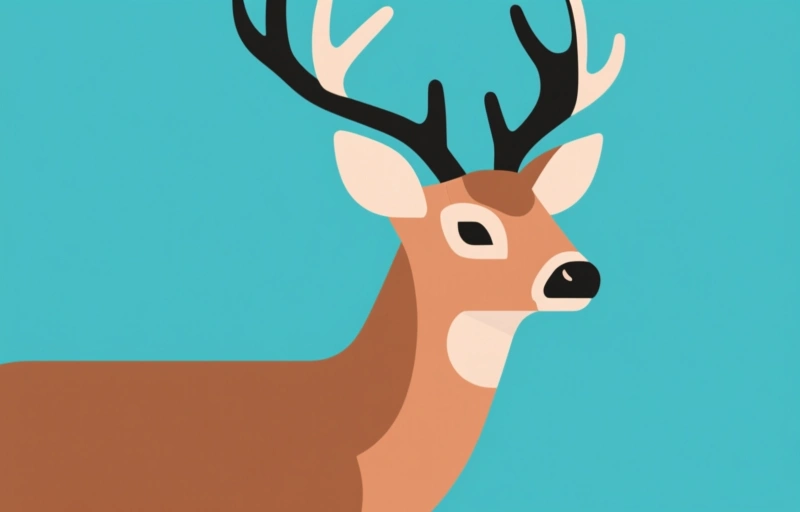
Their antlers are another giveway. They grow in a forked pattern, branching out like a Y, rather than the sweeping curves you see on white-tailed deer. And if you ever get close enough to notice, their ears are big and mule-like, always swiveling to catch every sound.
### Where They Live and How They Move
Black-tailed deer are creatures of the edge. They love transition zones where forests meet meadows or where thick brush gives way to open slopes. In Northern California, you'll find them in coastal redwood groves, mixed conifer forests, and the chaparral-covered hills of the Coast Range. They're also common in the Klamath Mountains and the Cascade Range.
These deer are migratory in many areas. In spring, they move up to higher elevations to follow new growth. Come fall, they head back down to lower ground to escape deep snow. Some herds travel as far as 80 miles between summer and winter ranges. That's a serious trek for an animal that size.
Here are a few key things about their daily habits:
- They're most active at dawn and dusk, resting during the heat of the day.
- Their diet changes with the seasons, from grasses and forbs in spring to acorns and woody browse in winter.
- They rely on their keen sense of smell and sharp hearing to avoid predators like mountain lions and coyotes.
### Why They Matter to the Land
Black-tailed deer aren't just a nice sight. They play a big role in the health of Northern California's ecosystems. By grazing on certain plants, they help shape the understory of forests and meadows. Their movement spreads seeds, and their presence supports predators that keep the whole system in balance.
For landowners and conservationists, managing deer habitat is about more than just keeping populations healthy. It's about preserving the natural character of the land. If you own property in deer country, you've probably noticed how their trails weave through the landscape, connecting water sources to feeding areas. Those trails are like highways for other wildlife, too.
> "Black-tailed deer are the quiet architects of the forest edge. Their daily movements create pathways for countless other species." — A sentiment shared by many wildlife biologists.
### A Heritage Worth Protecting
For hunters, black-tailed deer are a prized game animal. The pursuit of a mature buck in the rugged terrain of Northern California is a challenge that tests your skills and patience. For everyone else, just watching them move through the trees is a reminder of the wildness that still exists here.
Whether you're a landowner thinking about habitat management, a conservationist tracking migration patterns, or someone who simply loves the outdoors, these deer are worth understanding. They're part of the story of this place, and that story is still being written.
So next time you're driving through the coastal fog or hiking up an oak-covered ridge, keep an eye out. You might just see a black-tailed deer step out of the shadows, and for a moment, you'll feel connected to something older and deeper than the modern world.