Buying Land in Collier County, Florida: Key Insights
Lucía Torres ·
Listen to this article~5 min
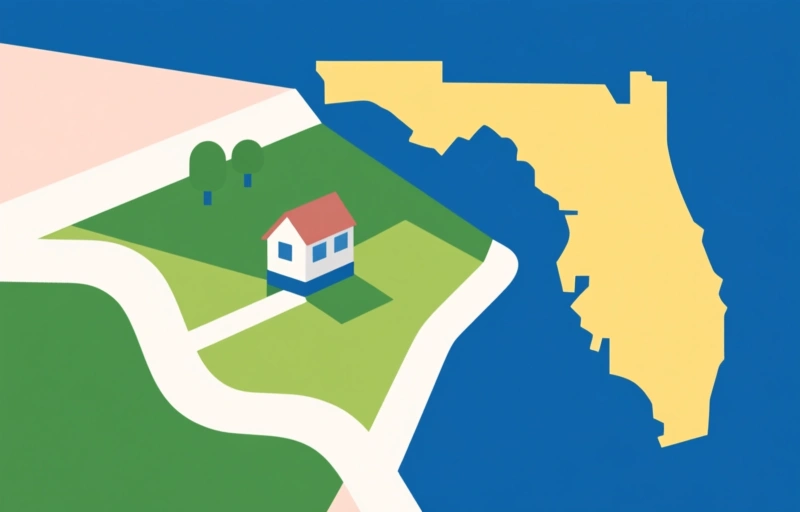
Buying land in Collier County, FL involves navigating wetlands, zoning, impact fees over $27k, and private utilities. This guide covers the essential steps for a smart purchase.
Thinking about buying a building lot or land in Collier County, Florida? It's an exciting prospect, but let's be real—it's not as simple as just picking a spot and breaking ground. You're stepping into a world of unique environmental rules, specific zoning codes, and some pretty significant fees. The whole process often comes down to one critical question: is your lot 'uplands' or 'wetlands'? That single classification dictates how much of your property you can actually develop.
### Navigating Environmental and Zoning Rules
This is where things get interesting. Many lots, especially in areas like Golden Gate Estates, contain wetlands. Here's the catch—they might look perfectly dry to you, but they're protected based on soil composition and native vegetation. Building on wetlands isn't just tricky; it requires expensive state permits and something called 'mitigation credits.' Honestly, most buyers avoid these parcels altogether because of the headaches and long timelines involved. They'd rather find land elsewhere to build their dream home.
So, what should you do? Always, and I mean always, request a formal wetland determination or environmental report before you sign anything. This report confirms the actual usable, 'buildable' area of the property. Don't skip this step.
Now, let's talk about zoning standards. For common residential zoning, like the Estates classification, you're typically looking at a minimum living area of 1,000 square feet and a maximum building height of 30 feet. It's pretty standard, but you need to know it.
And if you're dreaming of a little homestead, here's the scoop on animals. For parcels under 20 acres, you can generally have up to 25 fowl and 2 livestock animals (think horses) per acre. But there's a big 'but'—any shelters for these animals must meet specific setback rules. For example, they often need to be at least 100 feet from a neighbor's home. It's all about keeping the peace.
### Checking Infrastructure and Utilities
Okay, let's move on to what's under the surface. Most rural lots in the Estates don't have central water or sewer hookups. You'll likely be dealing with a private well and a septic system. This means you absolutely must verify if the soil can support a septic system, which gets permitted through the Florida Department of Health. It's a crucial check.
Another non-negotiable? Legal access. You need to confirm the lot has a legal right to access via a paved or properly maintained road. While you're at it, check for any existing easements that could restrict where you're allowed to build on your own land.
Here's a big one: flood zones. The truth is, most land in Collier County sits in a FEMA-designated flood zone. If you're a cash buyer, you might not be *required* to get flood insurance, but it's still a very smart idea. If you're getting a mortgage, your lender will absolutely mandate it. It's just part of the deal here.
### Understanding Permits and the Real Cost of Fees
Now, let's talk about the budget surprises—permits and impact fees. New construction triggers 'impact fees.' Think of these as a one-time charge to help fund the public services your new home will use, like schools, roads, and parks.
As one local official put it, 'These fees are our way of ensuring growth pays for itself.'
Here are the current rates as of late 2025:
- For a single-family home under 4,000 square feet, total impact fees can exceed $27,000.
- Some fees, including the school impact fees, are being phased in over four years to manage the area's growth.
It's a significant chunk of change, so you need to factor it into your total project cost from day one.
The permitting process itself is managed through the Collier County e-permitting system. It's streamlined, but it still requires patience and attention to detail.
Finally, a note on vegetation. You're generally allowed to clear one acre of vegetation, but only *after* you have a single-family building permit in hand. Want to clear more than that? You'll need a separate Vegetation Removal Permit. The county takes its natural landscape seriously, and so should you.
Buying land here is an adventure. It's about doing your homework, asking the right questions, and understanding that the beautiful, wild nature of Southwest Florida comes with a set of rules designed to protect it. Take your time, get the right reports, and you'll be on your way to securing a fantastic piece of Florida.