Cannes Heritage: From Fishing Village to Film Icon
Lucía Torres ·
Listen to this article~3 min
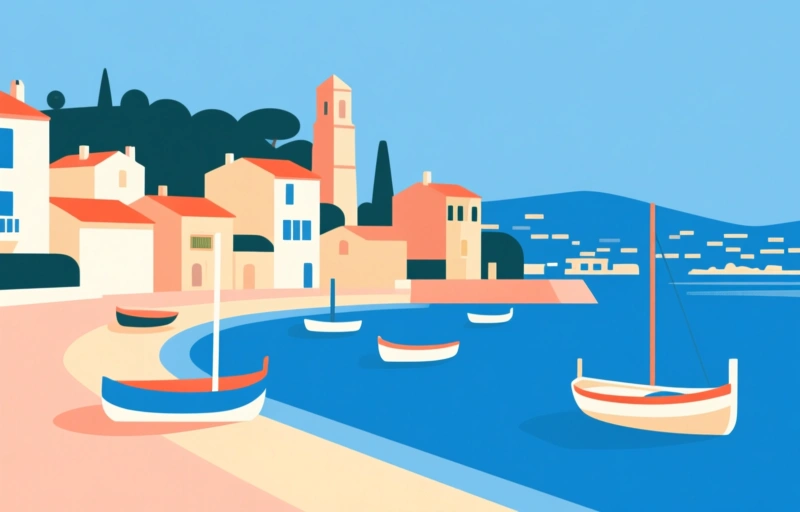
Discover how Cannes transformed from a quiet fishing village into a global luxury destination, while still holding onto its authentic Mediterranean soul. A must-read for professionals in luxury real estate and hospitality.
### The Quiet Beginnings of Cannes
Today, the world knows Cannes for luxury hotels, designer boutiques, red carpets, and the Cannes Film Festival. But long before the flash of cameras and international glamour, Cannes was a quiet fishing village on the Mediterranean coast. It's hard to imagine now, but this stretch of coastline was once home to simple fishermen and local traders. They lived a life far removed from the glitz we associate with the city today.
In the 19th century, British aristocrats and European elites began discovering the beauty of the Riviera's mild winters and spectacular coastline. They came seeking sun and solace. And they found it in spades. What was once a modest seaside town slowly transformed into one of Europe's most prestigious destinations.
### The Rise of Elegance and the Croisette
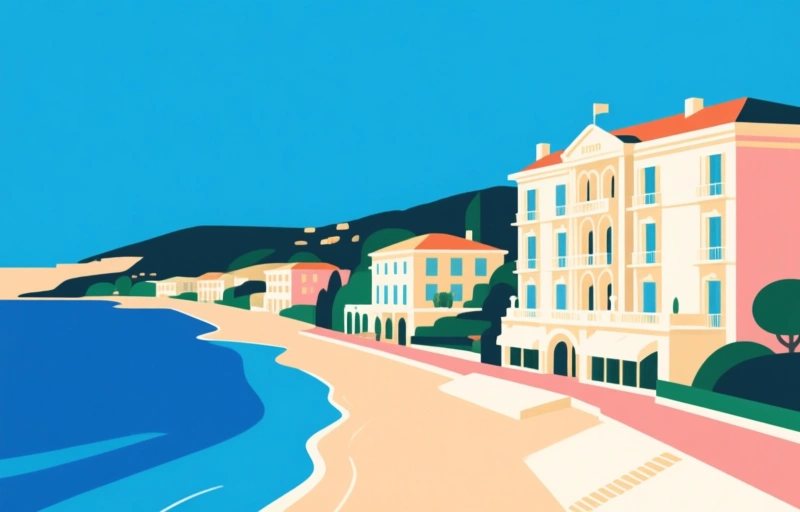
Elegant villas appeared along the coastline. Grand hotels were built. The Croisette evolved into the iconic promenade we know today. Then came the creation of the Cannes Film Festival in 1946, forever changing the city's international reputation. That single event put Cannes on the global map in a way nothing else could.
But here's the thing about Cannes that really sets it apart. Despite its global fame, it has never completely lost its original soul. Beyond the luxury boutiques and beach clubs, you still find local markets, fishermen, hidden streets, and historic neighborhoods that remind visitors of the city's authentic Mediterranean roots.
### The Soul of Cannes Today
That contrast is part of what continues to make Cannes so unique. You can walk from a high-end designer store to a local fish market in just a few minutes. The old town, Le Suquet, still has narrow cobblestone streets and stunning views of the bay. It's a place where history and modernity coexist without trying too hard.
For professionals in the luxury real estate and hospitality sectors, understanding this duality is key. The charm of Cannes isn't just about the red carpet. It's about the quiet moments too. The smell of fresh seafood at the morning market. The sound of waves against the old port. The way the afternoon light hits the pastel-colored buildings.
- The Cannes Film Festival started in 1946 and drew immediate global attention.
- British aristocrats were among the first tourists to visit in the 1800s.
- The Croisette promenade was originally a simple coastal path.
- Le Suquet is the oldest neighborhood, dating back to medieval times.
### Why This Heritage Matters for Property
If you're working with high-end properties in Cannes, you know that location is everything. But what clients really buy into is the story. They want a piece of that history. They want to feel connected to the place. And Cannes offers that in spades. From a Belle Epoque villa overlooking the sea to a modern apartment near the Palais des Festivals, every property carries a bit of that legacy.
So next time you walk along the Croisette, remember it wasn't always like this. But the best part? The old Cannes is still there, waiting to be discovered. And that's what makes this city truly timeless.