Dryland Farming in the Pacific Northwest: A Resilient Future
Lucía Torres ·
Listen to this article~5 min
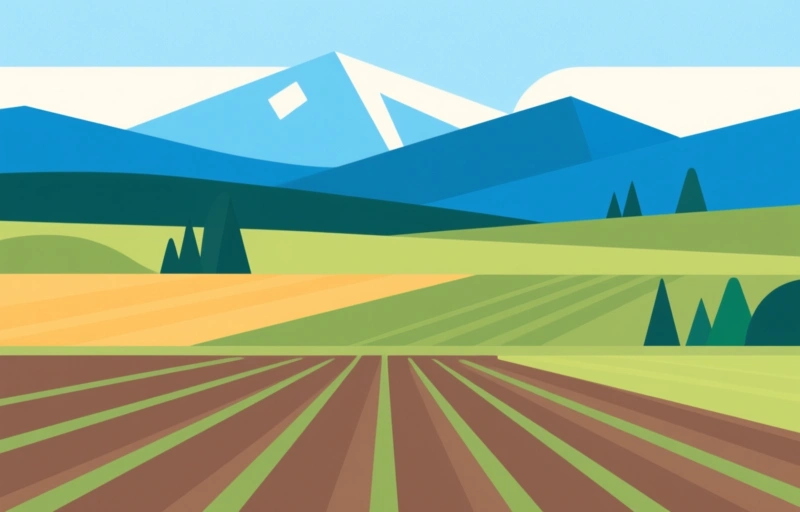
Explore how dryland farmers in the Pacific Northwest are adapting to tighter margins and shifting rainfall through no-till practices, cover crops, and emerging technology. A look at the challenges and future of this resilient production system.
### Dryland Farming in the Pacific Northwest: A Resilient Future
Dryland farming has long shaped the Pacific Northwest, but its future is being tested by tighter margins, shifting rainfall, and rising pressure on soil and water resources. This article explores how producers across the region are adapting through crop selection, moisture conservation, no-till practices, cover crops, and emerging technology. It also looks at the economic and policy realities influencing what comes next, from market volatility to conservation support. For readers interested in agriculture, land stewardship, and the resilience of working landscapes, this is a thoughtful look at one of the West's most demanding and important production systems.
### The Reality of Dryland Farming Today
You know, there's something raw about dryland farming. It's not for the faint of heart. You're working with nature, not against it, but that means you're also at its mercy. In the Pacific Northwest, we've got this unique climate—wet winters, dry summers. It's a blessing and a curse. Farmers here have learned to squeeze every drop of moisture out of the soil. They're planting winter wheat that taps into fall rains, letting it go dormant in the summer heat. It's a dance with the seasons, and it's getting trickier every year.
### Strategies That Work: Moisture Conservation and Crop Selection
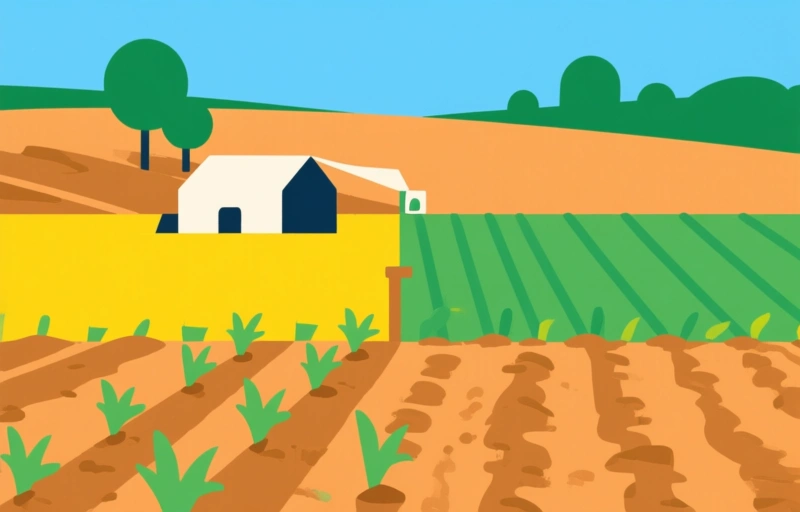
So, what's working? First off, moisture conservation is king. No-till farming is huge here. You leave the crop residue on the field, and it acts like a blanket, trapping moisture and keeping the soil cool. It's simple, but it's a game-changer. Then there's crop rotation. Farmers are mixing things up—wheat, barley, legumes—to break pest cycles and build soil health. And cover crops? They're not just for the Midwest anymore. In the PNW, we're seeing more farmers plant things like mustard or radishes after harvest. They hold the soil together and add organic matter. It's like giving your land a multivitamin.
### Challenges on the Horizon: Shifting Rainfall and Market Pressure
But let's be real—it's not all smooth sailing. Rainfall patterns are shifting. Some areas are getting less, others more at the wrong time. That throws off your whole planting schedule. And then there's the market. Commodity prices are volatile. You can do everything right, and still, a bad market can wipe you out. Input costs—seed, fertilizer, fuel—they're all climbing. Margins are tighter than a drum. It's why so many producers are looking at alternative crops or direct-to-consumer sales. Diversification isn't just a buzzword; it's survival.
### Technology and Innovation: The Unexpected Allies
Here's where it gets exciting. Technology is stepping up. We've got GPS-guided tractors that plant seed at the perfect depth, drones that scout for pests, and soil sensors that tell you exactly when to irrigate. It's not sci-fi; it's happening now. Some farmers are even using variable-rate technology to apply fertilizer only where it's needed. That saves money and reduces runoff. And let's not forget data. With better weather models and satellite imagery, you can plan your season with more confidence than ever. It's like having a crystal ball, but one that actually works.
### Economic and Policy Realities: What's Next?
Of course, none of this happens in a vacuum. Policy matters. The Farm Bill, conservation programs like EQIP, and crop insurance all play a role. They can be a lifeline, but they're also complicated. You need a good accountant and a lot of patience. And then there's the push for sustainability. Consumers want to know where their food comes from. That's a chance for dryland farmers to tell their story. They're stewards of the land, and that's a powerful narrative. But it also means more paperwork, more audits. It's a trade-off.
### The Future: Resilient and Adaptable
So, what does the future hold? I think it's about resilience. The farmers who adapt—who try new crops, embrace tech, and build soil health—they'll be the ones who thrive. It's not easy. But then again, nothing worth doing ever is. The Pacific Northwest has been farming this way for generations. We'll keep at it, because that's who we are.
*Author: Blaine Bickelhaupt, ALC, Managing Broker. This article originally appeared on [Land Investor](https://landinvestor.com/articles/dryland-farming-in-the-pacific-northwest) and is republished with permission.*