Maisons Floriot: Architectural Legacy & Cultural…
Eleanor Vance ·
Listen to this article~3 min
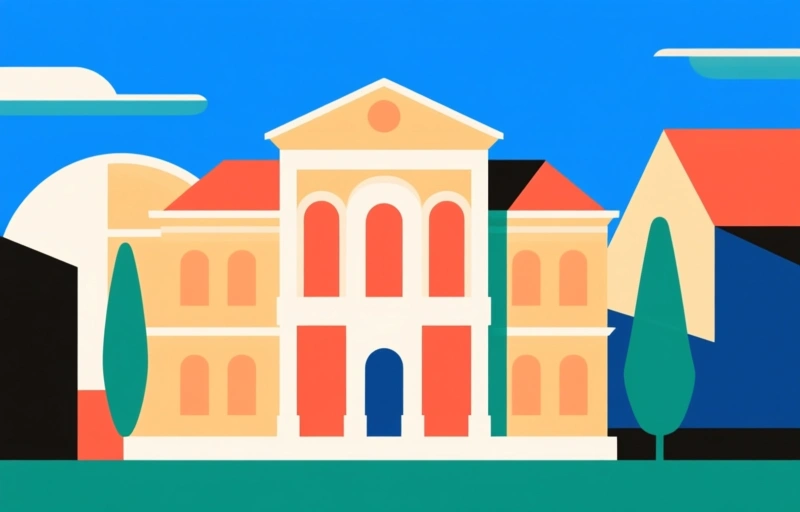
Exploring the architectural legacy of Maisons Floriot: the design principles, cultural impact, and enduring relevance for today's professionals in preservation and modern interpretation.
You know, when we talk about architectural heritage, certain names just resonate through the decades. Maisons Floriot is one of those names. It's not just about buildings; it's about a philosophy, a specific approach to space, light, and living that defined an era. For professionals in our field, understanding this legacy isn't just academic—it's foundational to appreciating the evolution of design.
Let's pull up a chair and unpack this. The Floriot style didn't emerge in a vacuum. It was a response, a conversation with its time. We're looking at a period where craftsmanship met ambition, where the personal statement of a home became as important as its function. The architects behind these projects weren't just drafting plans; they were curating experiences.
### The Defining Principles of Floriot Design
What set a true Maison Floriot apart? It was always in the details. The proportions felt instinctively right. The flow from room to room was seamless, encouraging both grand entertaining and intimate family life. Natural light wasn't an afterthought—it was a core material, sculpted through window placement, glasswork, and interior layout.
- **Material Integrity:** Authentic materials were paramount. Think locally sourced stone, aged hardwoods, and wrought iron. Nothing faux, nothing purely for show. The beauty was in the substance.
- **Site Harmony:** These homes didn't fight their plots. They embraced them. A Floriot design on a lakeshore would feel fundamentally different from one on a city street, yet both would bear the unmistakable signature of thoughtful integration.
- **Artisanal Integration:** Custom ironwork, carved mantels, stained glass—these weren't decorations. They were commissioned pieces, integral to the architectural whole.
There's a quote often attributed to the lead designers that captures this ethos perfectly: *'A house should grow from its land and serve its inhabitants, not the other way around.'* That's the heart of it. It was human-centric design before the term was ever coined.
### The Professional's Lens: Preservation & Modern Interpretation
For today's architects and historians, the challenge is twofold. First, there's the stewardship of existing Floriot properties. Restoration isn't about making things look new; it's about understanding the original intent and using contemporary techniques to honor it. That means sourcing period-appropriate materials and, sometimes, reviving forgotten crafts.
The second challenge is more exciting, in my opinion. It's about interpretation. How do the core principles of Floriot design—that connection to place, that celebration of craft, that focus on livability—translate to the 21st century? We're not building 8-acre estates for everyone. But we can build with the same respect for context and quality.
Can a modern sustainable material achieve the same warmth and longevity as old-growth timber? How do we design for natural light in a denser urban setting? These are the conversations that keep this legacy alive and relevant. It's not about replication; it's about evolution. The real value for professionals lies in dissecting these timeless principles and asking how they apply to the problems and possibilities we face today. That's how a style becomes a lasting influence, moving beyond history books and into the future of thoughtful design.