What Defines a Ranch? Beyond Acreage and Livestock
Lucía Torres ·
Listen to this article~7 min
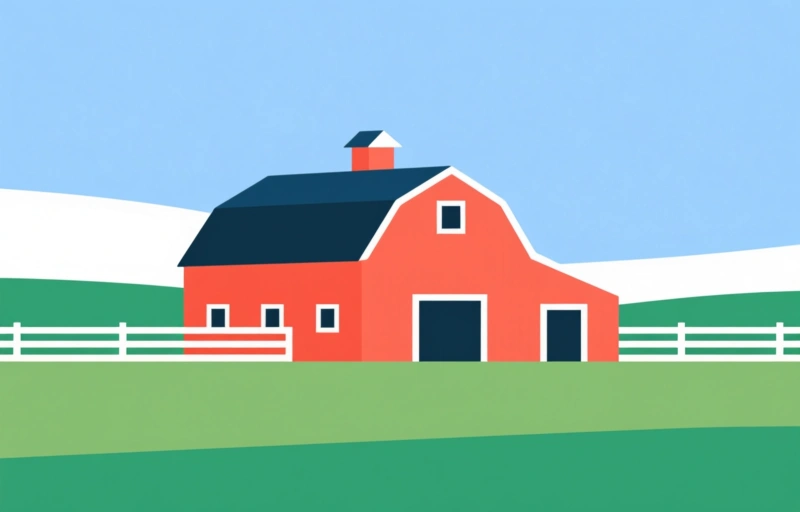
What really defines a ranch? It's more than just acreage. This article explores the differences between working and hobby ranches, from infrastructure and labor to income and lifestyle. Whether you're dreaming of a cattle operation or a peaceful retreat, this guide helps you find the right property
You've probably asked yourself this before: what really makes a ranch a ranch? Is it the number of acres? The cows? The lifestyle? The truth is, it's not always about acreage alone. In this article, we'll break down the real differences between working ranches and hobby ranches, from the infrastructure and labor to the income potential and day-to-day purpose. Whether you're dreaming of a large-scale cattle operation or a smaller place with a few animals and room to breathe, this grounded look at how ranches are defined across the West will help you figure out where the line is drawn and what kind of property fits your goals.
### The Core Question: What Makes a Ranch?
At its heart, a ranch is a piece of land used for raising livestock, like cattle, sheep, or horses. But that's a pretty broad definition. The real distinction comes down to intent and scale. A working ranch is a business. It's designed to generate income from the animals it supports. A hobby ranch, on the other hand, is more about lifestyle. It's a place where you can have a few animals, enjoy the open space, and maybe even make a little side money, but the primary goal isn't profit.
Here's a quick breakdown of the key differences:
- **Working Ranch:** Primary goal is profit. Requires significant infrastructure (barns, fencing, water systems), heavy labor, and often a full-time commitment. Income comes from selling livestock, hay, or leasing grazing rights.
- **Hobby Ranch:** Primary goal is lifestyle. Infrastructure is simpler, labor is manageable, and income is secondary or nonexistent. It's about having a place to escape, ride horses, or raise a few animals for personal enjoyment.
### Infrastructure and Labor: The Real Work
One of the biggest differences between a working and hobby ranch is the infrastructure. A working ranch needs serious investments. We're talking miles of fencing, multiple water troughs, heavy-duty corrals, and barns that can handle hundreds of animals. You'll also need equipment like tractors, hay balers, and feed trucks. The labor is intense. It's not a 9-to-5 job. It's a 24/7 commitment, especially during calving season or when the weather turns nasty.
A hobby ranch is much more manageable. You might have a few acres of pasture, a small barn, and a simple fence. The labor is something you can handle on weekends or with minimal help. It's about having fun, not about making a living. The key here is to be honest with yourself about what you're willing to commit to. If you're looking for a place to relax and unwind, a hobby ranch is probably your best bet.
### Geography and Climate: Where You Are Matters
Where you live plays a huge role in what kind of ranch you can run. Out West, in places like Oregon, Montana, or Wyoming, you're dealing with vast open spaces, dry climates, and short growing seasons. That means you'll need a lot more land to support the same number of animals compared to somewhere with richer soil and more rain. For example, in the Midwest, you might be able to run a cow on 2 to 5 acres of good pasture. Out West, you could need 20 to 50 acres per cow, depending on the rainfall.
This is where the term "carrying capacity" comes in. It's the number of animals a piece of land can support without degrading the soil or vegetation. A working ranch has to carefully manage this to stay profitable. A hobby ranch has more flexibility, but you still need to know your land's limits.
### Income Potential: A Hard Reality
Let's be real about money. Most working ranches don't make a huge profit. The margins are thin, and the work is hard. According to the USDA, the average net cash farm income for a cattle ranch is around $40,000 to $60,000 per year. That's after all expenses. And that's before you pay yourself for your labor. If you're looking to get rich, ranching is probably not the path.
But that's not the point for many people. The value of a ranch often comes from the lifestyle, the land appreciation, and the sense of purpose. A hobby ranch, on the other hand, is almost always a net expense. You're paying for the privilege of living on the land. And that's perfectly fine if you can afford it.
### Purpose and Lifestyle: What Do You Want?
At the end of the day, it comes down to your goals. Do you want a business that supports your family and requires your full attention? Or do you want a place to call your own, where you can ride horses, watch the sunset, and maybe raise a few animals for fun?
> "A ranch isn't just a piece of land. It's a promise to the land, to the animals, and to yourself. It's about the work you're willing to put in and the life you want to live."
If you're still unsure, talk to someone who's done it. Visit a working ranch and a hobby ranch. See the difference for yourself. Jesica Hicks, a broker in Oregon, has written a thoughtful article on this very topic. She explores the nuances that separate the two, from the infrastructure and labor to the income potential and day-to-day purpose. It's a great read for anyone who's ever wondered where the line is drawn.
### Final Thoughts
So, what is a ranch, really? It's not just about the acreage. It's about the intent. It's about the work. It's about the lifestyle you choose. Whether you're looking at a 5,000-acre cattle operation or a 20-acre hobby farm, the most important thing is to be clear about what you want. And then find the piece of land that fits your vision.
If you're ready to start looking, or just want to learn more, reach out to a local expert who understands the market. They can help you navigate the options and find the right fit for your goals. Because at the end of the day, a ranch is what you make it.